
Creature of the Week

Arrow the Arrowhead Crab
With a nose like an arrow and legs like a spider, the arrowhead crab is one of the reef’s oddest sights. Did you know that the “pouch” under its body is really a folded abdomen, and that a female uses hers to carry thousands of eggs?
Latest from Scubaport
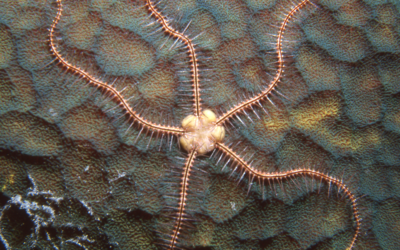
Brittle Star
Brittle stars are slender-armed relatives of sea stars. They look delicate, but they are fast, flexible and surprisingly tough. Did you know? Serpent stars. The class name, Ophiuroidea, comes from Greek words for “serpent” and “tail,” a nod to the snake-like arms. Why...
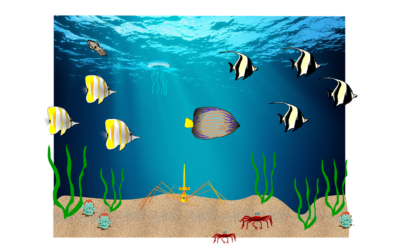
Illustrated Seascape
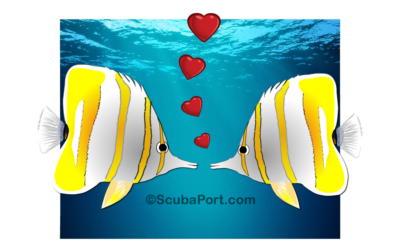
Copperband Butterflyfish Valentine
The Copperband Butterflyfish’s elongated snout enables it to obtain food from cracks, crevices and holes. The false eyespot on its tail confuses predators, who don’t know which end to attack.
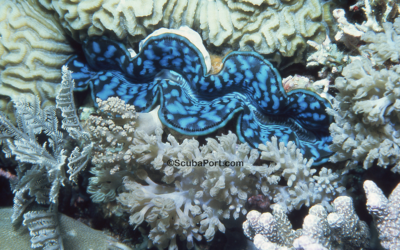
Giant Clam
The giant clam is a filter feeder that uses gills to capture particulate food like phytoplankton from the water. The largest known giant clam. These bi-valves have an average lifespan of more than 100 years.

Spotted Cleaner Shrimp
The relationship between the spotted cleaner shrimp and their fishy clients is considered a mutualism, where both species benefit. Cleaner shrimp occur worldwide in almost every habitat from sea water to fresh water. They are generally respected by other creatures...
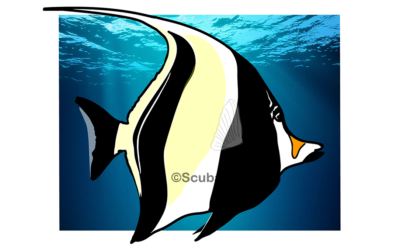
Moorish Idol
The Moorish Idol got its name from the Moors of Africa, who believed the fish to be a bringer of happiness. Like butterflyfish, they usually mate for life. Did you know? Scientific name. Zanclus cornutus. Horns and a sickle. The species name means “horned,” for the...